-
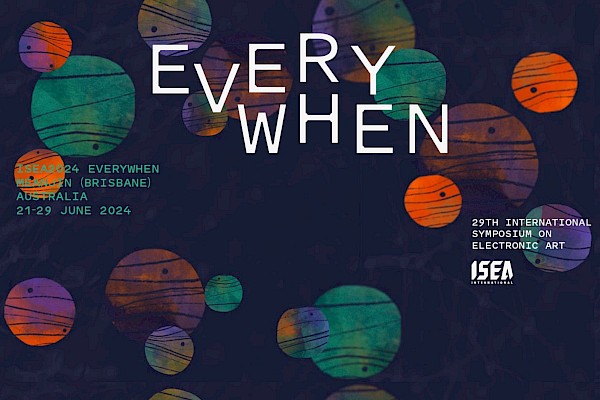
Heat
June 21-29, 2024
Meanjin (Brisbane), AustraliaThe introduction of new imaging technologies, is giving rise to new worldviews. This is a slow process. Originating in military applications, adopted by innovative start-ups and manipulated by artists, these technologies sweep, enrich or replace ‘old’ knowledge. Over time, they reshape our perceptions of the world, instigating a shift in how we think about reality. A new logic is introduced, directing actions before it shapes understanding. -
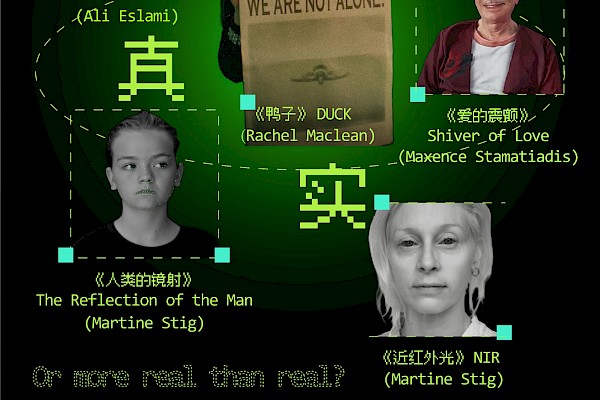
Representing Reality Chapter 6: Virtual Reality
April 5, 2024
Wuhan Photography Art Center, Wuhan, CHHow we understand and describe the world we live in has long demonstrated humankind's determination to intervene in reality and reach reality. From symbols, texts, sounds, images to a series of constantly growing and evolving art forms, we are able to represent reality. Media and means. However, as Stuart Hall reminds us, all of our "representations" are not just manifestations of individual will, but show specific "cultural symptoms". What is highlighted behind the meaning is our "power to see". With: Lucretia Martel, Ali Eslami, Rachel Maclean, Maxence Stamatiadis, Martine Stig -
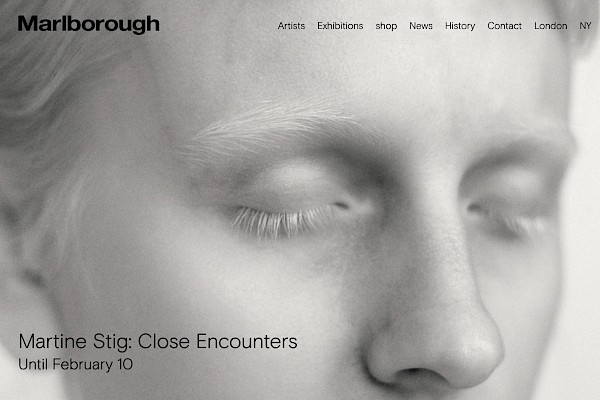
Close Encounters - solo exhibition
November 30 2023 - Feb. 10 2024
Marlborough Gallery, BCN, ESWe live in a post-optic world, where algorithmic technologies are omnipresent and dominant in capturing our reality. Human vision is decentralized as (sole) base for knowledge production as we detach ‘seeing’ from ‘believing’. Despite this shift, our visual culture strongly leans on old habits. It confirms the human spectrum as norm and celebrates the indexical qualities of the image. -
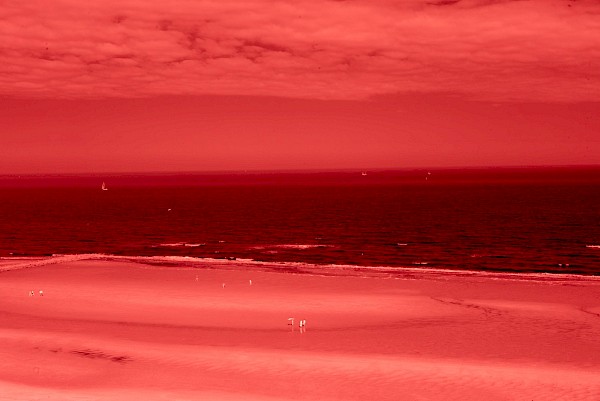
Project Close Encounters
ongoing
Honored a project grant by the Mondriaan Fund I am currently working on Close Encounters, in dialogue with writer Ilse van Rijn. In Close Encounters I focus on the post-optic as a visual & conceptual point of departure that could enhance a human and nonhuman (animals & machines) coexistence and create a timespace that is radically relational. -
School - In love, Bored & Overslept
April 8 - August 6, 2023
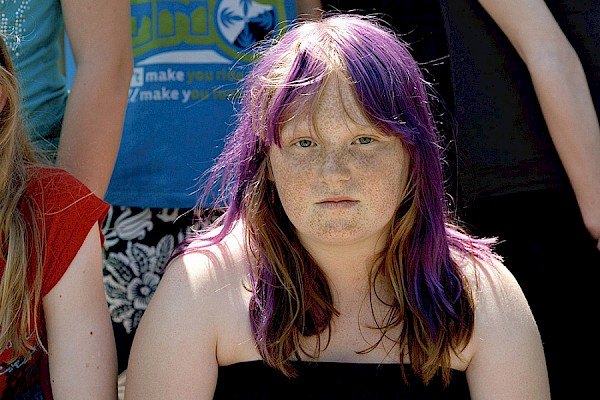
Fotomuseum Den Haag, The Hague, NLThe exhibition School - In Love, Bored & Overslept is a photographic journey through 150 years of education and a trip down memory lane back to everyone’s own school days. To zoom in on what makes this period of our lives so unforgettable, this exhibition brings together 150 years of photographs of schools. On view is a mix of historical images by Cas Oorthuys (1908 - 1975), Fred Fischer (1905-1981), Jutka Rona (1934-2016), Eva Besnyö (1910-2003) and others. Supplemented by work by contemporary makers such as Carel van Hees (1954), Justin Jin (1974), Martine Stig (1972), Marijn de Jong (1975), Reinier Gerritsen (1950) and Raimond Wouda (1964). Curated by Iris Sikking and Dirk Kome. -

Het Spiegelpaleis van Data
March, 2023
WeAlgo is opgenomen in het boek Het Spiegelpaleis, van Levien Nordeman; Hoe wetenschappers, ontwerpers en toekomstverkenners algoritmen en AI toegankelijk maken.
In Het Spiegelpaleis van data neemt Levien Nordeman je aan de hand van ontwerpers, filosofen en wetenschappers mee in een fascinerende wereld van data, algoritmes en AI. In het spiegelpaleis van data ontdekken we dat we al veel meer weten dan we denken. We ontdekken hoe grip krijgen op onze data wél kan, en wat nodig is om een andere en betere datasamenleving vorm te geven. -
Beyond a Certain Point There is No Return
February 8 - April 2, 2023
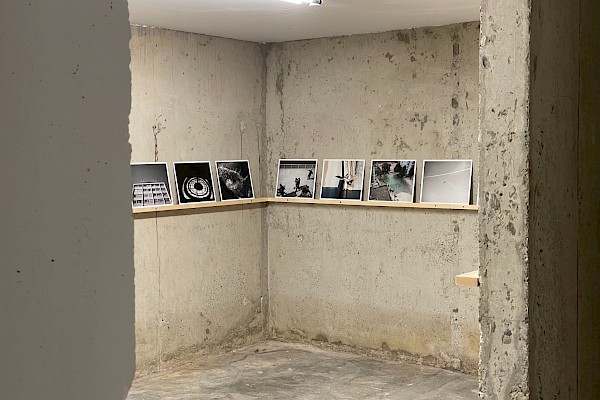
A Tale of A Tub, Rotterdam, NLThough titled with Kafka’s quote, the exhibition touches on the writer’s heritage only tan-gentially. Instead, it spins around the urgency to seize and make visible the “point of no return,” which has been overwhelming the world in the recent years, from pandemics to wars to climate change. But the term has many evocative senses and associations. It originates from air navigation terminology, where it means that an aircraft no longer has enough fuel to return to its point of departure. “Point of no return” signifies a critical junc-ture, an irrevocable shift, an impossibility of return. -
6° Festival internazionale Segni della Notte
November 28th - December 4th, 2022
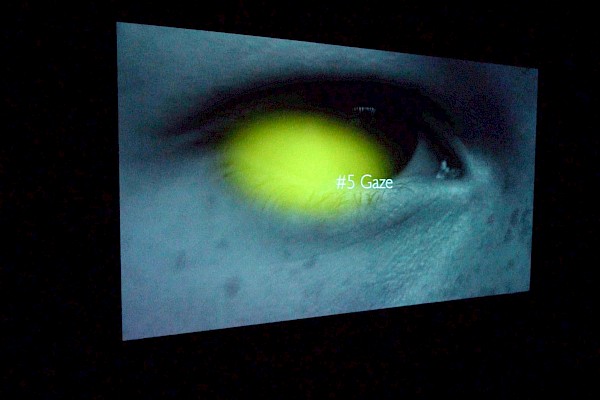
Urbino, ItalyThe "Festival Internazionale Segni della Notte" uses the media of documentaries and short films to deliver specific information, inside views, and problematics of our societies today. A critical approach is preferred, dealing with social, political, psychological, philosophical, and technological problematics. The aim is to offer knowledge and to create cultural tolerance. The festival prefers films, which also artistically reflect on the possibilities of reality representation and manipulation. Languages more complex than linear and narrative ones are welcome. -

Art for Machines
June 10 - September 1, 2022
Marlborough Gallery, Barcelona, ESIn collaboration with ISEA2022, Marlborough presents the work by visual artist Martine Stig, a poetic analysis of today’s society.
Art for Machines, an exhibition by the Dutch artist Martine Stig, composed of the video essay The Reflection of the Man and four photographs from the series Through a Glass Darkly. Video and photographs dialogue and complement each other, creating, as the artist points out, a poetic analysis of contemporary society.
-
ISEA 2022 - Possibles
13 June 2022
MACBA, Barcelona, ESArtist talk for ISEA 22 Barcelona - Possibles
What does it mean to be human in a more-than-human world? How do we relate to our digital representations and can facial recognition technology contribute to a new digital sensibility in a truly shared space?
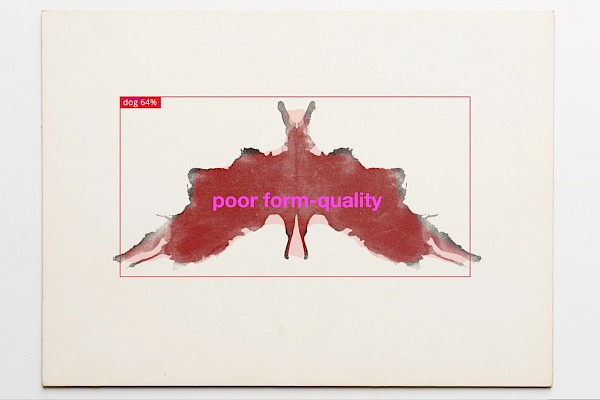
In this artist talk I will elaborate on my recent projects wealgo.org and the film-essay The Reflection of the Man. Link to video version: https://vimeo.com/730271411 -
The Eye of the Beholder
March 4 - March 17, 2022
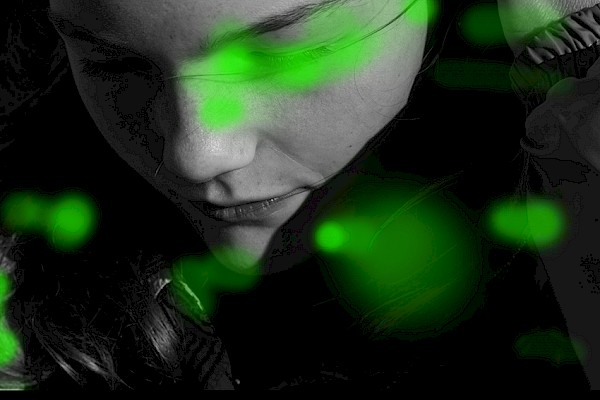
De Haagse Hogeschool, The Hague, NLShortlisted for the assignment of the artcollection of De Haagse Hogeschool.
t.b.c. -
International Film Festival Rotterdam
January 26 - Febbruary 6, 2022
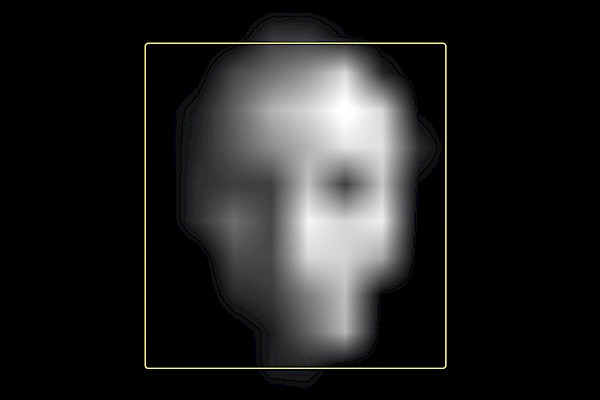
RotterdamIn the film essay ‘The Reflection of the Man’ Martine Stig grapples with the meaning of the human in a hybrid world. Employing ubiquitous technologies like face recognition software, while also reflecting on them, Stig examines the act of seeing beyond the explorative and the embodied. The Reflection of the Man results from the artist ongoing dialogue with writer Ilse van Rijn about technology and memory in a more-than-human world.
Due to corona the festival narrowed its program and will be online. The film essay is part of the press & professional section. -
S+T+ARTS | Repairing the Present | Close Encounters
January 17, 2022
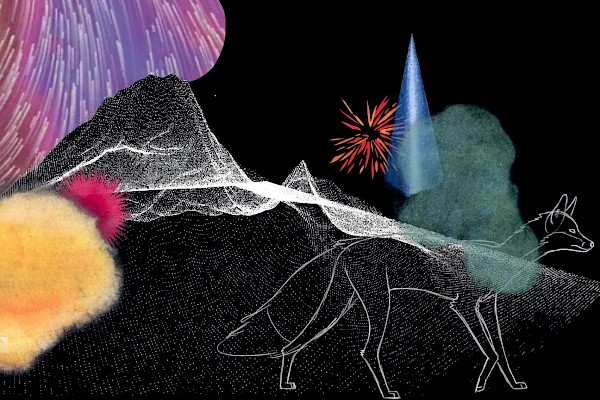
In4artAny city is a collection of its inhabitants, humans, and non-humans. Yet one of the most difficult things to do is involve those city’s inhabitants in shaping its future. To create future-proof cities, it is crucial that they become adaptive to those who populate them. How can new modes of collectivity through digital and physical interconnectedness bring a city and its inhabitants closer together?
Shortlsted for the ST+ARTS fellowship Repairing the Present -
The Overkill Festival
november 26 - december 5, 2021
Sick house EnschedeCollective Masquerade
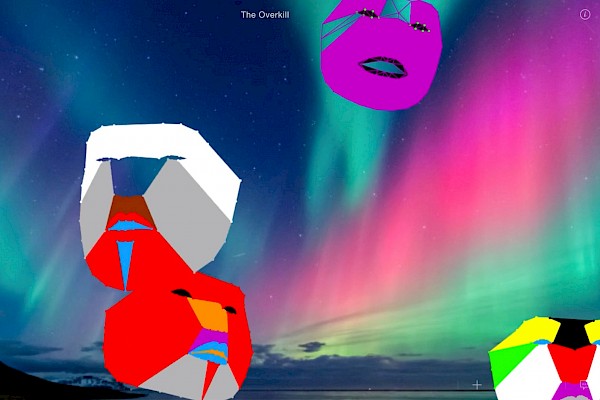
Welcome to the celebration of fluid collectives, where you don’t have to be defined by your gender, your preferences or your background. Bring them on, we don’t want to hide or to ignore them either. Let’s confront each other's heritage and re learn how to care, looking for our common ground. The Overkill “Collective Masquerade” invites artists, curators, game developers and creative minds to explore how we can redefine ourselves as individuals, species, society, and connected beings. -
Media Art x Photography
02-11-21
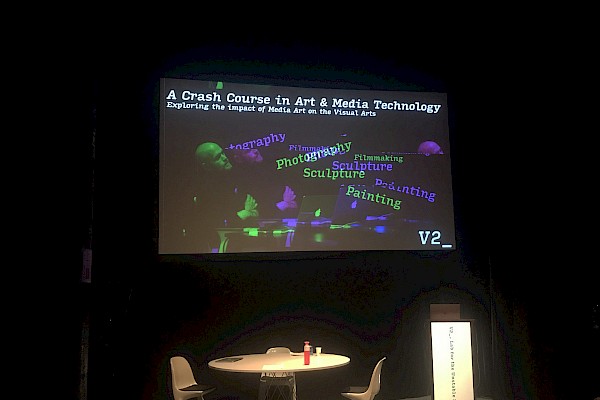
V2_Lab for the Unstable MediaThe art of photography is inextricably linked to technological innovation. The invention of the Kodak camera radically changed what could be photographed and by whom; when photography entered the digital realm, that democratization saw exponential growth. Today anyone with a smartphone can photograph anything anytime, instantly share their photographic art with anyone anywhere, and manipulate the reality they’ve documented in myriad ways. In this third unit of the Crash Course, we look at how media artists explore, use and misuse new possibilities in photography to reflect on these developments and challenge what photography is and can be. -
Not Bliss But Relief
October 14 -17, 2021
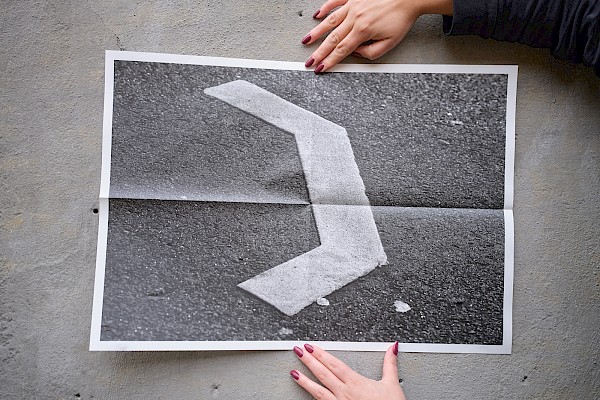
Galleri Image, Aarhus, DK‘Not Bliss But Relief’ is an exhibition about intimate experiences. It pauses on subtle yet very-present movements. The heroine touches a friend during a fast-flowing gesture of a greeting. She is in a sleeping pose, choreographing her body without awareness of it. Finally, she cradles the turns inside of her.
Curated by Daria Tuminas.
with: Tine Guns, Sanne van den Elzen, Martine Stig -
Performative lecture & Artist talk
October 2, 2021
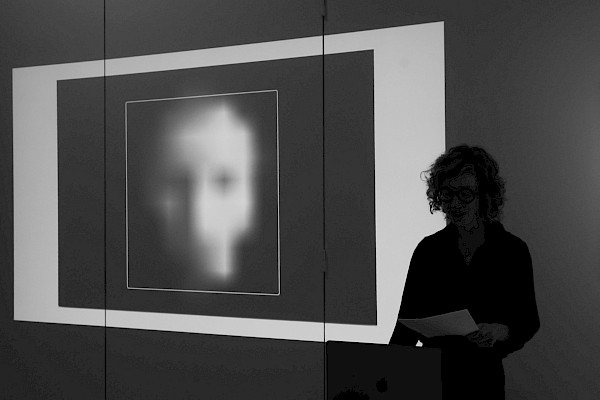
Looiersgracht 60Performative lecture 'Fire, or how to get rid of those embarrassing graphic markers’ by Ilse van Rijn. On living/writing with a more-than-human world. Followed by a conversation with Ilse van Rijn and Martine Stig about their collaboration and respective works ‘Fire’ and 'The Reflection of the Man'. -

From Seeing to Acting
september 15 - October 3, 2021
Looiersgracht 60, AmsterdamThe exhibition From Seeing to Acting invites us to (re)consider the mutual relationships between seeing and acting. How are the seer, the seen and the act of seeing entangled? How can art contribute to perceiving the world in a reciprocal way, recognizing the agency of the more-than-human? In what way can art cultivate an attitude of receptivity and being-with the world?
Participating artists: Terike Haapoja (FI), Mustapha Azeroual (FR/MA), Yoichi Kamimura (JP), Sema Bekirovic (NL), Spiros Hadjidjanos (GR), Nicolas Sassoon & Rick Silva (FR/CA/US), Gwenneth Boelens (NL), Peter Bogers (NL), George Shiras III (re-interpreted by RR), Murat Yıldız (TR), Frank Bloem (NL), and new works made especially for the occasion by RR members Hiryczuk/Van Oevelen (FR/NL) and Martine Stig (NL). Curated by Radical Reversibility -

Tracked & Traced
September 10 - December 11, 2021
Science Gallery, Detroit, USAWhat does it mean to live in a world where privacy is merely an illusion? How does surveillance benefit us as individuals and as a society? Alternatively, what are the inherent harms inflicted upon those being tracked & monitored? In this exhibition, we invite you to explore the myriad ways surveillance impacts our society. Further, we encourage you to explore how we can work to enable more ethical and equitable practices of seeing and being seen. -
Face Value - Surveillance and Identity in the Age of Digital Face Recognition
September 18 - October 10 , 2021
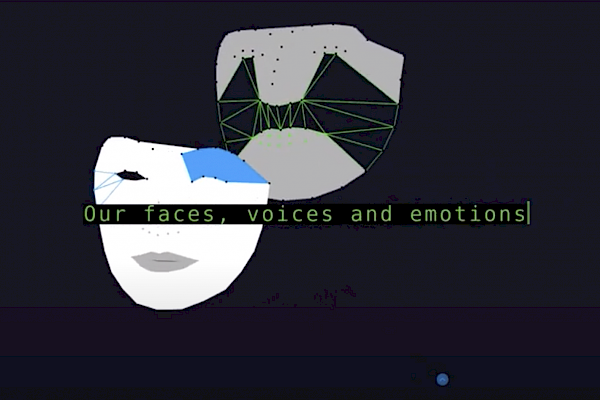
IMPAKT, Utrecht, NLFace Value investigates the changing meaning of the human face in a digitised society where our portraits are continually captured and screened.
Artists: Heather Dewey-Hagborg, Effi & Amir, Josèfa Ntjam, Martine Stig and Ningli Zhu. Curator: Rosa Wevers (Utrecht University) -
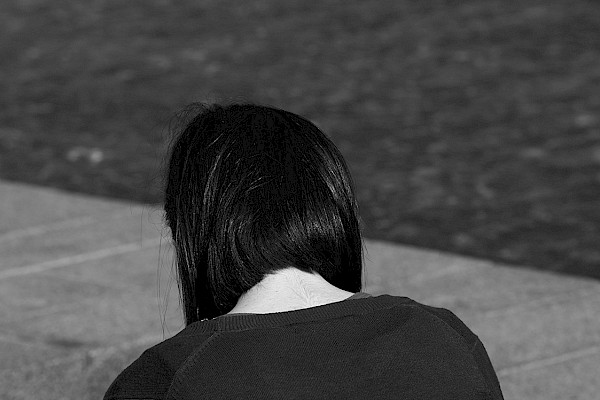
Bioscopic Books
April 24- June 6, 2021
Kunsthal GentFilms have always had an eye on books, but books have been staring right back at them, fascinated by the modern flair, the power and the light of cinema. The "Biostopic Books' exhibition brings together artist's books from past and present that relate implicitly or explicitly to the medium of film. Bioscopic Books is a collaboration between LUCA School of Arts, Kunsthal Gent and Art Cinema OFFoff. -
De staat van het Internet 2021
January 29, 2021
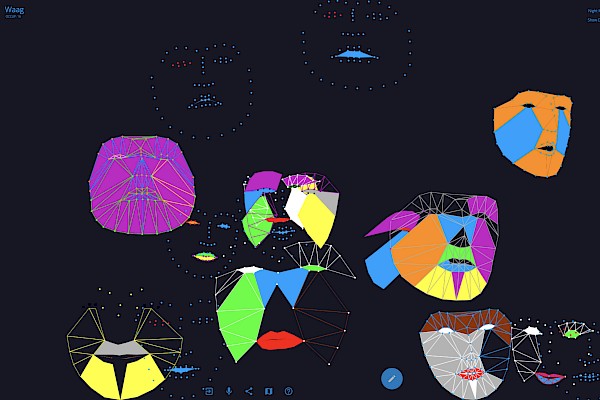
De Waag, Amsterdam, NL (online)Elk jaar steken we de peilstok in het internet. Dit jaar onderzoeken we algoritmisch onrecht en andere potentiële gevaren van slimme en zelflerende systemen. Wie zitten er aan de knoppen? Wie ontwerpt de knoppen? En hoe zorgen we dat de veelgebruikte systemen voor iedereen even goed werken?
Presentatie en paneldiscussie met Sennay Ghebreab - neuro-informaticus en professor aan de Universiteit van Amsterdam, verzorgt ook de keynote over inclusieve AI, Roel Dobbe - assistent-professor aan de TU Delft, gespecialiseerd in de techniek, het ontwerp en de governance van data- en algoritme-gedreven systemen voor controle en besluitvorming, Nani Jansen Reventlow - mensenrechtenadvocaat, gespecialiseerd in onder meer vrijheid van meningsuiting, Valerie Frissen - CEO SIDN Fonds, Martine Stig en Stef Kolman - ontwikkelaars van WeAlgo.org -

CPDP - Computers, Privacy & Data Protection - Enforcing Rights in a Changing World
January 27 - 29, 2021
Brussels, BE | Gather.town virtual environmentExhibition and art talk in the context of CPDP conference on privacy. Curated by Thierry VandenBussche | PrivacySalon. With: Constant Dullaart, Yasmine Boudiaf, Jonas Staal, Emmanuel van den Auwera, Faisal Hussein. -
Collector’s Item
Nov. 19, 2020- March 21, 2021
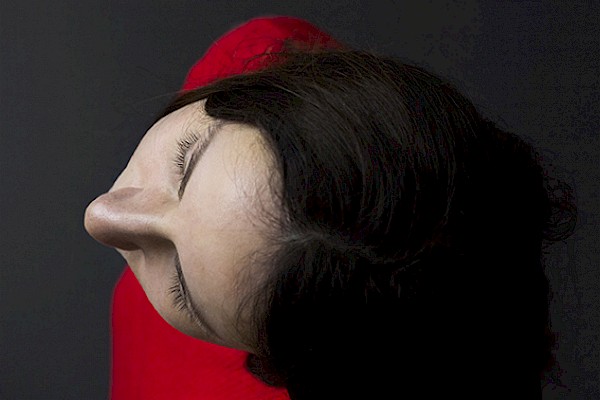
Centraal Museum, Utrecht, NLThe contemporary art collection of Pieter and Marieke Sanders. In collaboration with Kunstmuseum Den Haag, the Rijksmuseum, the Stedelijk Museum Amsterdam and Teylers Museum, the Centraal Museum is showing 70 contemporary artworks from the collection of Pieter and Marieke Sanders. The works are part of a donation and a transfer of no less than 225 works to the State of the Netherlands. -
#GlobalWarning: EDEN conference
Dec. 17, 2020
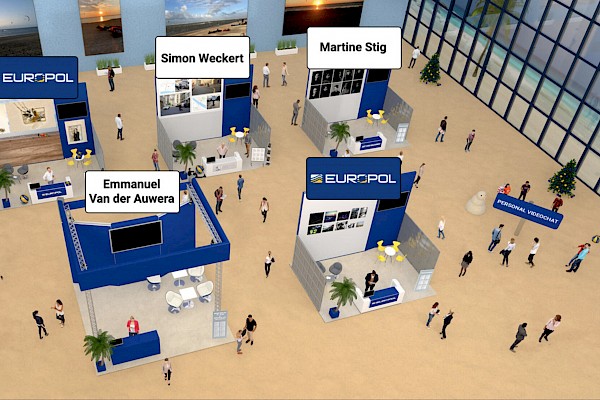
@ the virtual environment of MeetYouThrough a Glass Darkly is part of an exhibition during the Europol conference on Data Protection in Law Enforcement in the virtual environment of MeetYou. With Simon Weckert, Emmanuel van der Auwera and Martine Stig. Curated by Thierry Vandenbussche. -
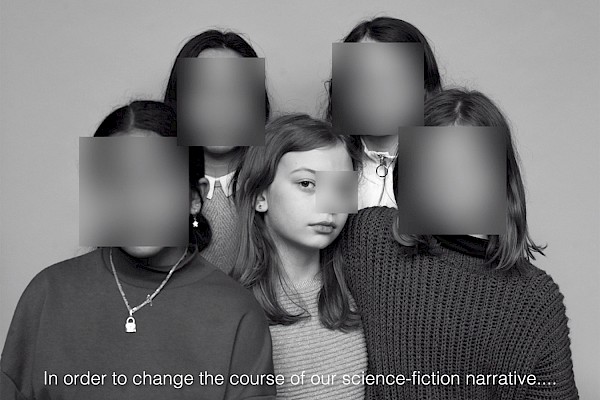
ISEA 2020 - Art for Machines
May 18- 24, 2020 //// postponed: October 11-18
Montréal, CanadaISEA2020 will be fully dedicated to examining the resurgence of sentience—feeling-sensing-making sense—in recent art and design, media studies, science and technology studies, philosophy, anthropology, history of science and the natural scientific realm—notably biology, neuroscience and computing. We ask: why sentience? Why and how does sentience matter? Why have artists and scholars become interested in sensing and feeling beyond, with and around our strictly human bodies and selves? Why has this notion been brought to the fore in an array of disciplines in the 21st century? -
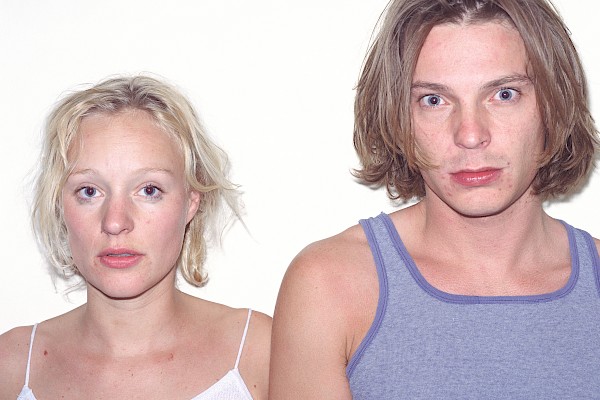
Mieke Bal | Kunst uit noodzaak
Oct. 3, 2020 - Jan. 31, 2021
Museum Jan Cunen, Oss, NLWat maakt kunst noodzaak? Volgens Mieke Bal is het ‘zinvol, zelfs noodzakelijk, om vanuit kunst naar de wereld te kijken.’ Daar raakt haar zienswijze aan gastcurator Jeroen Lutters’ methode Art-Based Learning, waarin hij het leren niet over maar van kunst bepleit. Kunst wakkert je verbeelding aan en maakt nieuwe mogelijkheden denkbaar. Kunst uit noodzaak geeft een overzicht van haar belangrijkste video-installaties, gecombineerd met werk uit onze collectie van onder anderen Ronald Ophuis, Martine Stig en Armando. -
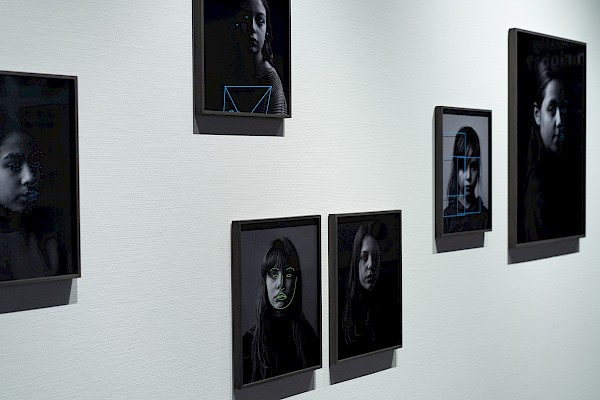
Gimme Shelter - SPA 2020
October 2, 2020
Nederlands Fotomuseum, Rotterdam, NLHet Nederlands Fotomuseum presenteert vanaf 2 oktober 2020 de Somfy Photography Award (SPA) 2020 met nieuw werk van negen genomineerde fotografen uit binnen- en buitenland: Roderik Henderson (NL), Géraldine Jeanjean (NL), Stephan Keppel (NL), Matthieu Litt (B), Antoinette Nausikaã (NL), Martine Stig (NL), Dustin Thierry (NL), Maarten Tromp (NL) en Jordi Ruiz Cirera (UK/Mex). -
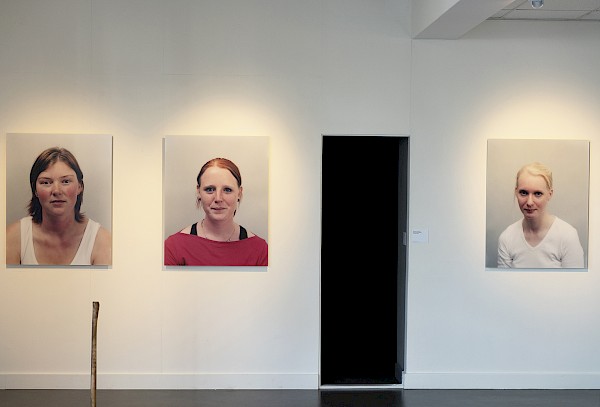
Empathy, No Man is an Island
July 3, 2020 - January 31, 2021
Museum Ijsselstein, Ijsselstein, NLWe leven in een tijd van sterk individualisme. Een tijd waarin de maakbaarheid van ons menselijke bestaan binnen ons bereik lijkt. Onze samenleving is gericht op ontwikkeling van ‘het zelf’. Denk aan de zegentocht van social media en zelfhulpboeken die niet aan te slepen zijn. Succes is maakbaar en vooral intern te vinden. Graaf diep in jezelf en je leert jezelf kennen. Zoals Plato zei: ‘de essentie van alle kennis is zelfkennis.’ We zijn ervan overtuigd dat de weg naar geluk de weg van zelfontplooiing is. Het ‘wij versus de ander’ lijkt de basis van ons bestaan. Met werk van o.a. : Francis Alys, Melanie Bonajo, Koos Breukel, Charlotte Dumas, Martine Stig, Dustin Thierry. -
Noorderlicht International Photofestival 2020
July 18 - September 9
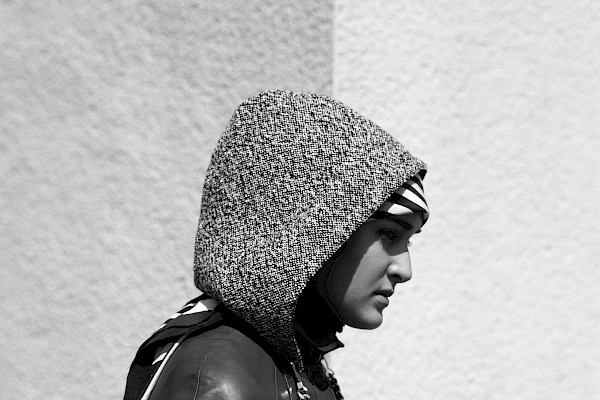
Museum Belvédère, afslag BLV, Heerenveen, NLGeneration Z. Tijdens het Noorderlicht Internationaal Fotofestival 2020 staan het denkkader en de energie van de jongste generatie wereldburgers centraal: generatie Z. Hoe gaan zij om met hun dystopische toekomstperspectief? Hun emoties zijn wensbron en sinkhole tegelijk, leidend tot groots en meeslepend activisme maar ook tot veranderende levenshoudingen die onder de radar blijven. Door in te boren op de hopen en angsten van generatie Z wil Noorderlicht hun jongvolwassen leefwereld inzichtelijk maken en spiegelen aan die van voorgaande generaties. Curator: Robert-Jan Verhagen. Participants: (a.o.) Elena Aya Bundurakis (GR) | Ine Lamers (NL) | Lavinia Xausa (IT) | Madeline Swainhart (VS) | Marie Lukasiewicz (FR) | Martine Stig (NL) | Massimiliano Rossetto (CH) | Amal Alhaag (NL) & Nadine Stijns (NL) | Nael Quraishi (GB) | Oktawian Jurczykowski (PL) | Oliver Ressler (AT) | Ra Solaris (PL) | Sebastian Steveniers (BE) | Sydney Rahimtoola (VS) | Tanya Klimovich (RU) | Tasio Bidegain (ES/FR) | Verena Blok (NL) | Victor Naumovski (MK) | Sheng-Wen Lo (TW) | Pilvi Takala (FI) -
Through the Lens
July 1 - August 12, 2020
Circl. Art, Amsterdam, NLThrough the Lens is een groepstentoonstelling met werk van fotografen uit de ABN AMRO-kunstcollectie die hun blik richten op de mens. Wat deze fotografen met elkaar verbindt, is hun onbevooroordeelde belangstelling voor ‘de ander’. Met werk van Ed van der Elsken, Dana Lixenberg en Roy Villevoye, Celine van Balen, Martine Stig en Viviane Sassen. -

Art Talk Nederlands Fotomuseum | Art Rotterdam
February 6, 2020
Nederlands Fotomuseum, Rotterdam, NLTijdens Art Rotterdam Week gaat cabaretier en fotografieliefhebber Diederik van Vleuten in gesprek met de negen genomineerden van de Somfy Photography Award. Deze tweejaarlijkse internationale fotografieprijs biedt professionele fotografen de gelegenheid om nieuw werk te maken met het thema “Gimme Shelter’’. De award wordt op 2 oktober 2020 uitgereikt, maar nu al zijn ze druk bezig met het realiseren van hun ingediende fotografieprojecten. Hoe gaat het met ze? Hoe vordert hun werk? En wat zijn ze aan het maken? In een dynamisch gesprek vertellen de negen fotografen Roderik Henderson (NL), Géraldine Jeanjean (NL), Stephan Keppel (NL), Mattieu Litt (BE), Antoinette Nausikaã (NL), Martine Stig (NL), Dustin Thierry (NL), Maarten Tromp (NL), Jordi Ruiz Cirera (UK/MEX) over hun projecten. -
Travelling versus Traveling - OVNi-video festival
November 22- December 1, 2019
Nice, FRTraveling versus Traveling brings together works around the idea of "displacement" in a broad sense: the movement of the camera through the technique of traveling or that of men through their movements or migrations. It can also be the movement of the visitor's gaze wandering from one room to another, immersed in a reflection in images on the link between art, cinema and news. The photographs of Martine Stig (Netherlands) and Eleonora Strano (France) will forge links between the different chambers. Each in their own way, they bring to light the cinematographic character of real life. -
SPA 2020 nominee
November 8, 2019
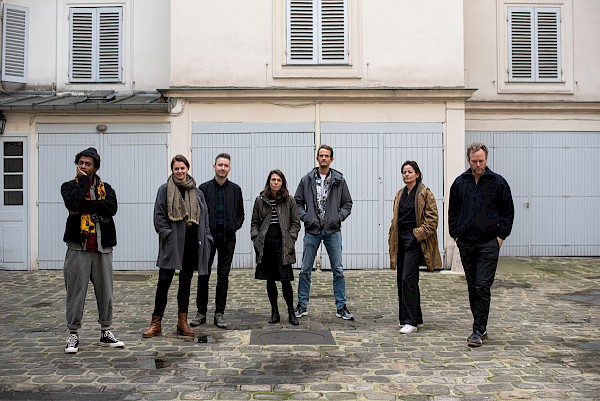
Atelier Neerlandais, Paris, FRDuring the Donkere Kamer in Paris on November 8, 2019, the nine photographers nominated for the Somfy Photography Award 2020 (SPA) were announced. They are: Roderik Henderson (NL);Géraldine Jeanjean (NL); Stephan Keppel (NL); Matthieu Litt (B); Antoinette Nausikaä (NL); Martine Stig (NL); Dustin Thierry (NL); Maarten Tromp (NL); Jordi Ruiz Cirera (UK/Mex). During the coming months they will be given the opportunity to qualify for the first prize or the second prize of the SPA 2020 by creating new work within the theme ‘Gimme Shelter’. At the beginning of October next year, this new work will be exhibited, and the winners will be announced. -
Art for Impact
September 20-22 2019
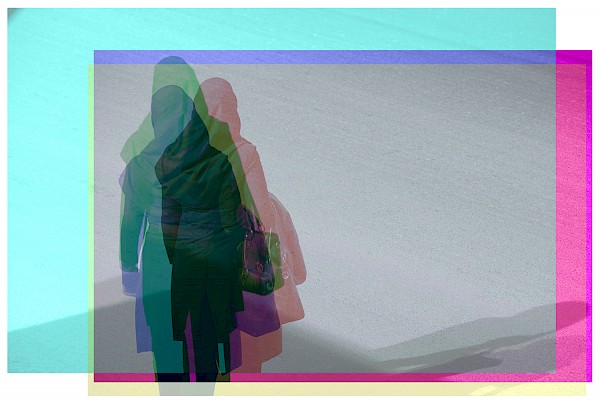
De Hermitage / Outsider Art Gallery, Amsterdam, NLGroup exhibition and auction, with a.o. Berend Strik, Toon Verhoef, Harry Marcusse, Martine Stig. For this occasion of Art for Impact I made a new edition. The image is part of the Vertigo project and is a play with time and color-space. -
Pick Me
September 14 - December 22 2019
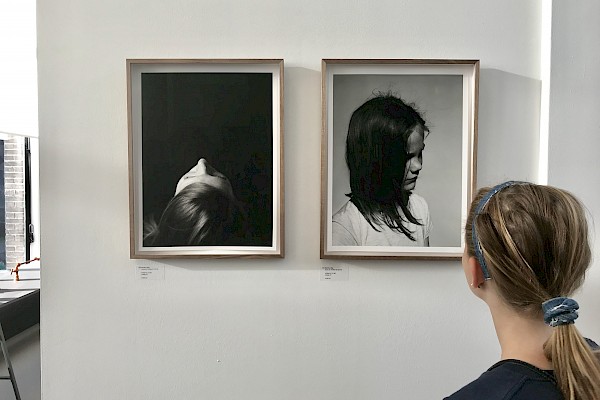
DE.GROEN ArnhemWe Like Art @ DE.GROEN, group exhibition with works by a.o. Martine Stig, Thirza Schaap, Rosemin Hendriks, Robert Zandvliet, Hadassah Emmerich, Marjolein Rothman, Esther Tielemans, Dieuwke Spaans, Fiona Tan, Femke Schaap, Natascha Libbert, Aernout Mik, Paul Kooiker, Bas van den Hurk, Mariken Wessels, Roy Villevoye. -
We Like Art @ The Frozen Fountain
June 14- Augustus 30, 2019
Prinsengracht 645Summer expo with work by Lieven Hendriks, Martine Stig, Hans Broek, Scarlett Hooft Graafland, Rosemin Hendriks, Misha de Ridder, Katrin Korfmann, Thomas Elshuis and Harry Markusse. -
Trois Collectionneurs #6, ou va l'esprit
March 31 - May 5, 2019
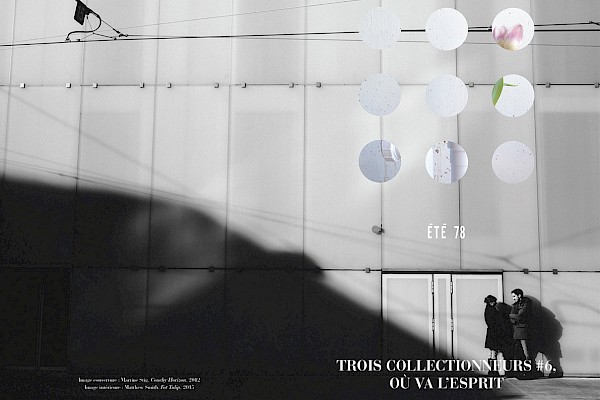
Été 78, Brussels, BEGroup exibition with Francis Alys, Maurizio Cattelan, Agnès Geoffray, Sven 't Jolle, Liz Magor, Laure Prouvost, Micheal E. Smith, Matthew Smith, Martine Stig, Takahiro Kudo -
Study for Profiles
February 7-10, 2019
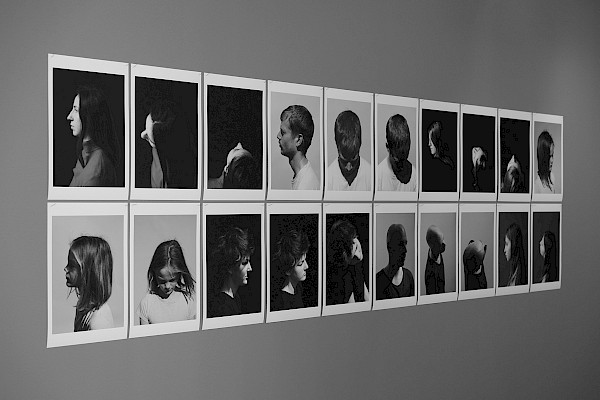
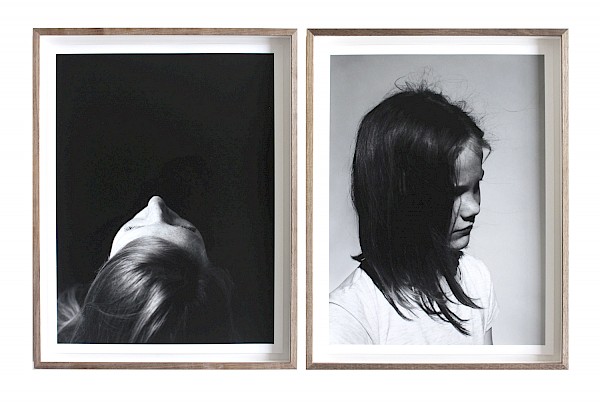
Art Rotterdam, Van Nellefabriek, Rotterdam, NLFor the occasion of Art Rotterdam We Like Art invited me to make a special edition. I show two 'Study for Profiles', part of a long term project Vertigo. In Profiles I try to redefine the human profile in a 360˚ world. -
DEEP / FLAT - duo exhibition Stephan Keppel & Martine Stig
October 19 - November 25 - 2018
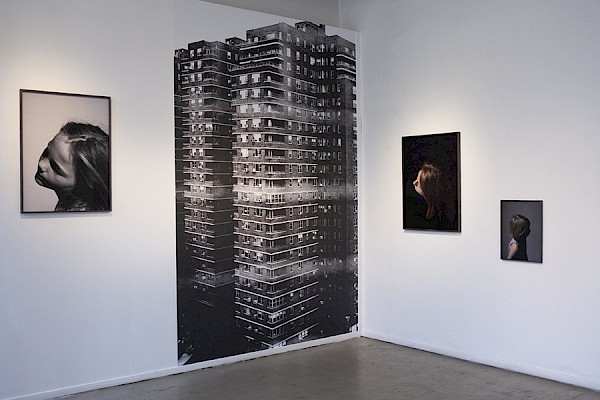
Kadmium, Delft, NLThe bigger the city, the higher the buildings. The higher the buildings, the longer the lines. Lines are forming grids and the grids are making patterns. Silhouettes are silhouetted against the patterns. Anonymous forms. Are you watching or are you being watched? Are your eyes drawing new lines? Up on the buildings? Or does your stature stand out against the city? -
Seeing without a Seer - symposium & Workshop
21-9-2018
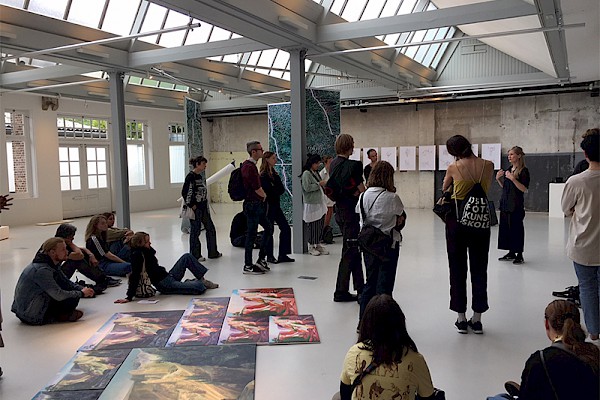
Looiersgracht 60, Amsterdam, NLIn this (post)digital era new imaging technologies call the very concept of ‘being human’ into question. In which ways will ‘machine vision’ influence our worldview? What is 'seeing' and where is it located? Can we imagine how nonhumans like plants, stones or bacteria ‘see’ their surroundings? The symposium presents lectures, visual case-studies and conversations by artists and researchers who will present works and ideas related to 'Seeing without a Seer'. With: Alena Alexandrova (BG/ NL), Basje Boer (NL), Marjolijn Dijkman (BE), Hiryczuk/ Van Oevelen (FR/ NL), Steven Humblet (BE), Toril Johannessen (NO), Adam Loughnane (CA), Tuula Närhinen (FI), Henk Oosterling (NL), Ali Shobeiri (IR), Martine Stig (NL), Frank van der Stok (NL) -
Seeing without a Seer - exhibition by Radical Reversibility
September 19-30, 2018
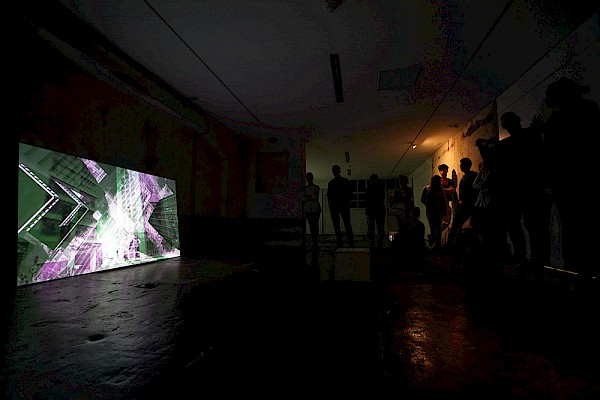
Looiersgracht 60, Amsterdam, NLIn the context of an ongoing research programme the art cooperative Radical Reversibility organizes, in collaboration with Looiersgracht 60, the exhibition and symposium Seeing without a Seer. The programme is set up as a cooperative, imaginative and speculative exercise to grasp what is at stake in the act of seeing. Seeing without a Seer explores alternative ways of looking, thinking and image-making that evade the central position of the viewer. -
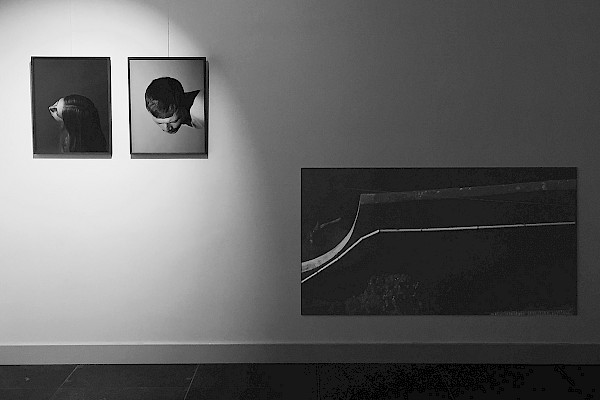
The Gallery Club - with Marie-José Jongerius, Viviane Sassen, Martine Stig
15-16 September 2018
Stadssalon, Herengracht 528, AmsterdamThe Gallery Club is a platform for photography, organized around exhibitions, dinners and events. Every edition of The Gallery Club explores the work of a wide range of Dutch and international photographers through a different theme. -
Radical Reversibility- On the entanglement of image and gaze
November 29, 2017
Exhibition Laboratory, Uniarts, Helsinki, FinlandPrognostics lecture series inquires into the future of art by taking a closer look at the new languages, models and forms that the latest generation of artists are creating in response to the urgent questions arising today in the domains of art, politics and sociology. -
Launch Radical Reversibility at Unseen CO-OP
September 21 – September 24, 2017
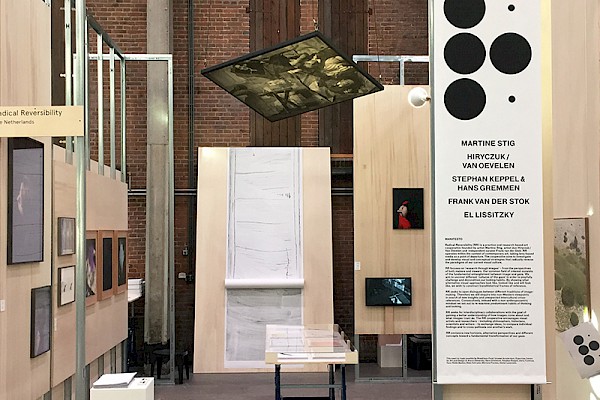
Transformatorhuis, Booth 11, Westergasfabriek, Amsterdam, NLRadical Reversibility (RR) is a practice and research-based art cooperative founded by artist Martine Stig, artists duo Hiryczuk/ Van Oevelen and independent curator Frank van der Stok. The RR cooperative aims to investigate and develop visual and conceptual strategies that radically reverse the paradigms of our current visual culture. -

Martine Stig’s Sun-Drenched Amsterdam
The Photobook Review #12, by Taco Hidde Bakker
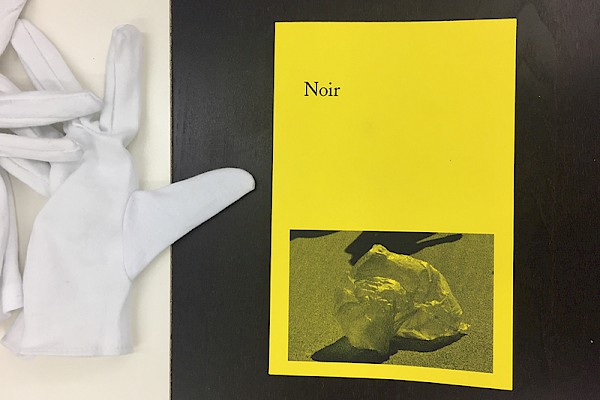
Despite its matter-of-fact appearance, Martine Stig’s Noir is a rather offbeat photobook. A quote from Jacques Aumont’s Montage Eisenstein (1987), about Sergei Eisenstein’s art of montage, is printed on the spine of the small, canary-yellow paperback: “The essence of cinema,” Eisenstein wrote, “does not lie in the images, but in the relation between the images.” This seems to be an instruction for how to read this book as well as a source of inspiration for its edit, carried out by Stig in collaboration with book designer Hans Gremmen. -
Memories of the Future
September 2017 - Januari 2018
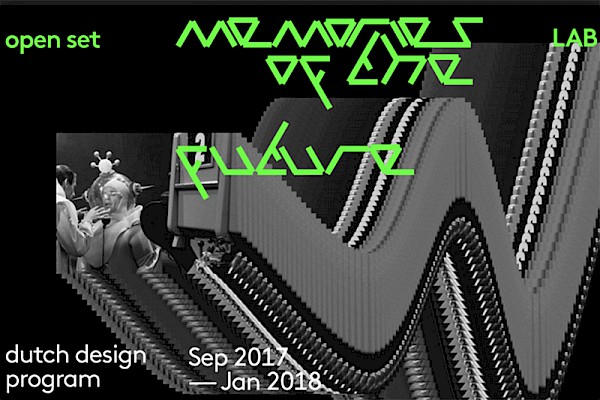
the Netherlands Institute for Sound and Vision / Master Institute Den BoschOpen Set Lab is a new research programme on the intersection between design, film, art and the humanities. The Lab runs from September 2017 until January 2018 and consists of lectures, interactive real-time sessions, and group critiques led by notable Dutch and international figures in design, art, and research. The programme provides a unique opportunity to fully access one of the largest audiovisual archives in Europe: the Netherlands Institute for Sound and Vision (television, radio, music, documentary films), containing factual and fictional narratives from 1898 to the present. With a.o.: James Bridle (UK)3 — artist and writer, Catalogtree (NL)5 — multidisciplinary design studio, Annet Dekker (NL)6 — researcher and curator, Johan Grimonprez (BE)8 — multimedia artist, filmmaker, !Mediengruppe Bitnik (DE/CH)12 — art group, Martine Stig (NL)13 — visual artist -
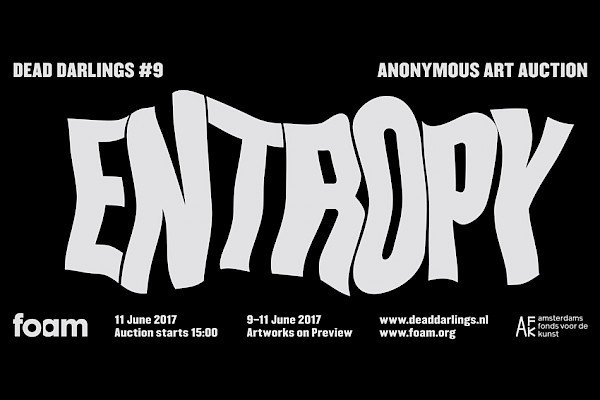
Dead Darlings #9 Entropy
June 11, 2017
Foam, Amsterdam, NLDead Darlings is an anonymous art auction founded in Amsterdam in 2005 as a platform to explore the complex love triangle between artist, artwork, and collector. Including a mix of eshtablished and emerging artists, each lot is sold anonymously, and authorship is only revealed after the sale is complete! With a.o. : Annaleen Louwes, Daniëlle van Ark, Diana Blok, Hristina Tasheva, Ine Lamers, Jaap Scheeren, James Beckett, Johannes Schwartz, Joris Landman, Katja Mater, Martijn van Nieuwenhuyzen, Melanie Bonajo, Mike Ottink, Noa Giniger, Oran Hoffmann, Pantelis Makkas, Pier Pennings, Scheltens & Abbenes, Selene Kolman & Martine Stig & Stef Kolman, Semâ Bekirovic,Tania Theodorou, Voin de Voin. -
Van kasteel tot station - Topstukken uit de Collectie Breda
17 Juni 2017 - 17 Juni 2022
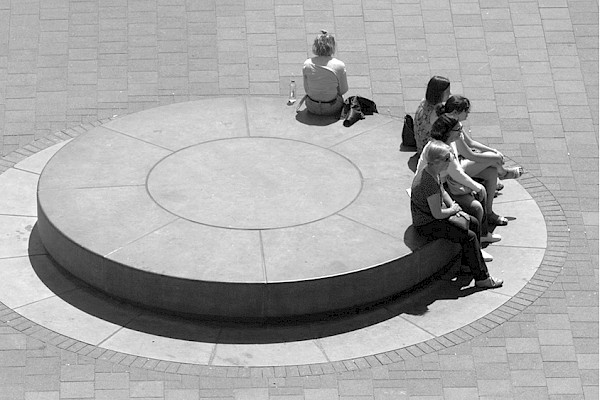
Stedelijk Museum BredaIn Van kasteel tot station maak je een korte wandeling door de geschiedenis. In twee zalen zie je bijzondere voorwerpen, documenten, schilderijen en foto’s die samen het verhaal van Breda vertellen. De geschiedenis van de vestingstad die uitgroeide tot verbindingsstad wordt weerspiegeld in de rijke collectie. In opdracht van het Stedelijk Museum maakte ik een film over het nieuwe station van de stad. -
Highlights from the collection Jan Cunen
June 9-September 17, 2017
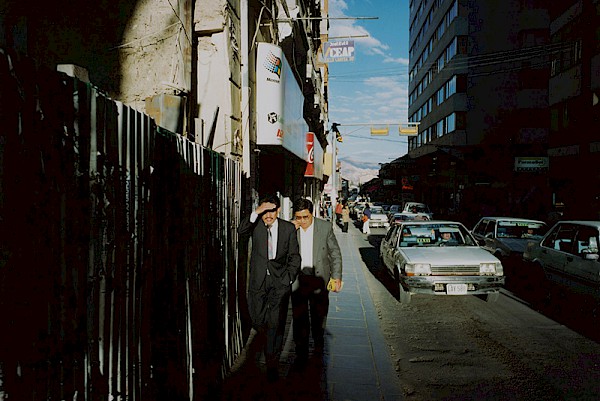
Museum Jan Cunen, Oss, NLThis summer museum Jan Cunen shows the highlights from it's collection. On tree floors the artworks will be shown in a surprising manner, neteenth-century paintings interact with contemporary installations. With works of a.o. Jan Toorop, Armando, Marinus Boezem, Jon Naar, Maartje Korstanje, Viviane Sassen, Martine Stig. -
De Donkere kamer #11
February 22, 2017
Lantaren Venster, Rotterdam, NLOp woensdagavond 22 februari vindt de elfde editie van de talkshow De Donkere Kamer Rotterdam plaats. In De Donkere Kamer Rotterdam staat de fotografie van nu centraal. De avond bestaat uit korte interviews en actuele discussies over fotografie en er is aandacht voor interessante evenementen en tentoonstellingen. -

Well Made. In praise of the creative process.
January 21 - April 17, 2017
Kunsthal Kade, Amersfoort, NLNext year leading Dutch art journal Kunstschrift celebrates its 40th anniversary – good reason for Kunsthal KAdE to join with the magazine in mounting an exhibition about the fascinating ways by which works of art have been created over the centuries. The creative process has been a strong focus of editorial attention in Kunstschrift’s theme issues for many years. The exhibition will reflect that interest by presenting an amazing range of artworks that throw particular light on materials and techniques, craftsmanship, ideation and studio practice. -

Noir
December 15 2016
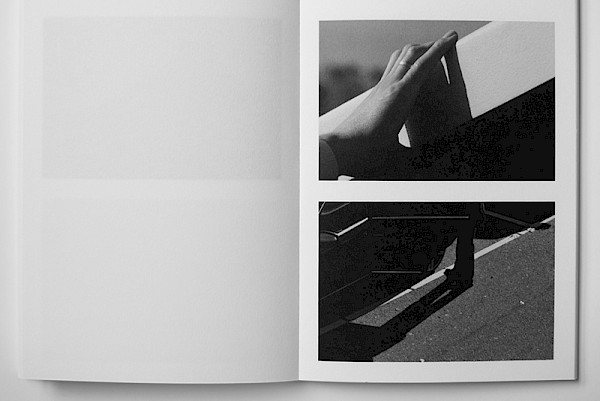
Bradwolff Projects, Amsterdam, NL"A paper glass + a girl’s back. A roof shade + a hand on a handrail + a sign on a ground. A girl looking down + a bag in a hand + the tops of buildings + a man lying on a ground. Even if the photographic subjects look simple, to identify them through words seems almost impossible. Monosyllabic naming doesn’t work either. Photographs, like cinematic shots do not resemble words nor sentences.” — Daria Tuminas, excerpt of ‘Eye + Water =’, a text written alongside the publication ‘Noir’.
-
2016 days of awesome photo books
December 10, 2016 - February 4, 2017
LhGWR, The Hague"Zo is daar het nieuwe boek Noir van Martine Stig, dat sinds ik het op Offprint kocht, op mijn bureau ligt te branden. Een mooi vervolg op haar fantastische boek Cauchy Horizons. Ik weet het zelf nog niet helemaal te plaatsen, het lijkt klinischer dan eerder werk, maar blijft uitnodigen tot herlezen. Naast de andere boeken die Flip Bool selecteerde, van G.P. Fieret, Celine van de Boorn en Anne Geene & Arjen de Nooy kijk ik toch meer naar het ontwerp van het boek dan naar het idee van het werk." - JN, Trendbeheer -
Portraits from the LUMC collection
November 24, 2016 - January 22, 2017
LUMC gallery, Leiden, NLWith: Angele Etoundi Essamba, Bas Meerman, Celine van Balen, Helen Verhoeven, Sara van der Heide, B.C. Epker, Kars Persoon, Martine Stig, Pieter Bijwaard, Gerald van der Kaap, Arno Nollen, Willem Sanders, Marlene Dumas,Teun Hocks, Hendrik Kerstens, Jan Peter Muilwijk, Juul Kraijer, Ger van Elk, Rosemin Hendriks, Siert Dallinga, Gijs Assmann. -
Launch Noir
November 10-13, 2016
Offprint, Beaux-Arts de Paris, FREen onmiskenbaar grootstedelijk en soms wat dorps gevoel stijgt op uit het boek Noir van Martine Stig. Knalgeel omslag, om een collectie zwartwitfoto’s op liggend formaat heen, ‛candid’ geschoten tijdens omzwervingen door Amsterdam – de metropool met kleinsteedse allure. Stig is een liefhebber van het donkerste zwart zoals het zich toont in de schaduwpartijen op haar foto’s. Dat zwart vormt één verbindende factor in Noir. Het is een fascinerend spel met licht en duister, en vooral met schaduwen, dat Stig speelt. Haar observaties zijn verrassend –hoe kan het dat een doorzichtige plastic zak toch een schaduw heeft? – en prettig ontregelend..... -
Wanderlust - Dutch Artists’ Urge to Travel since 1850
May 28 - September 11, 2016
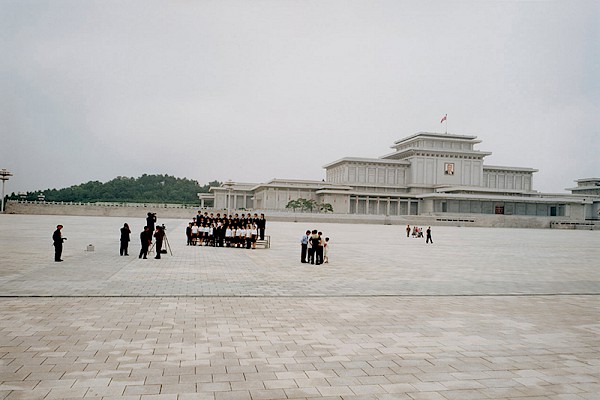
De Hallen, HaarlemWanderlust, a major exhibition being staged this summer in De Hallen Haarlem, focuses on travel as a source of inspiration for artists. There will be countless examples of Dutch art from the last century and a half, including paintings, sketchbooks, photographs and three-dimensional work. Dozens of artists are represented - from Jan Sluijters, Isaac Israëls and Marius Bauer to contemporary artists like Joost Conijn, Jan Dibbets, Rob Birza, Jennifer Tee and Roy Villevoye. Their journeys generated on-the-spot impressions or inspired creative manipulations on their return home. -
A City is Not a Road - Artists for Ringland
May 20 - 22, 2016
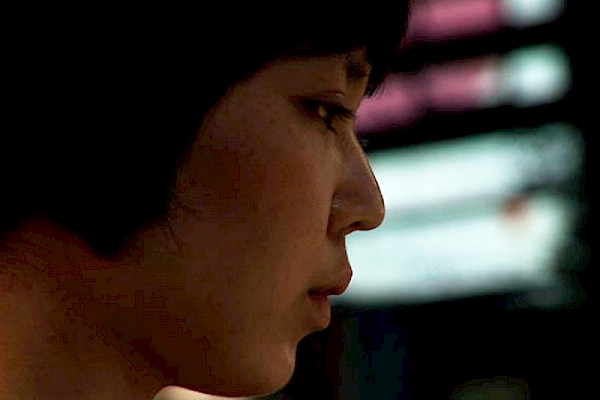
Veilinghuis Bernaerts, Antwerp, BEOn 22 May 2016 (4 pm) a benefit auction of exceptional art will take place for Ringland. This citizens-led initiative in Antwerp has been working on a visionary plan to ‘roof over’ the whole of the ring road to untangle a traffic knot, bolster a healthy environment and create a new green urban zone. More than 100 international artists are now contributing to Ringland by sharing a work for the auction. -
Dutch Identity - Dutch portrait photography now
January 16 - April 17, 2016
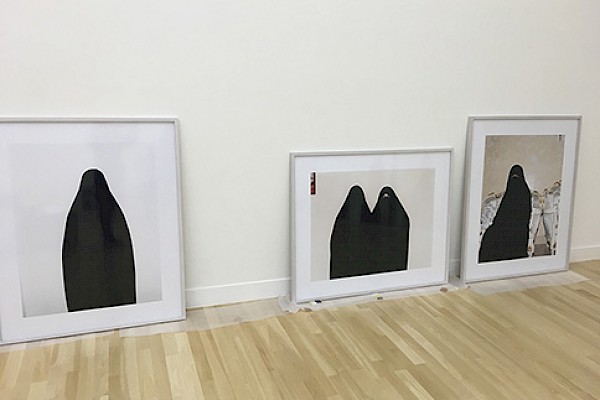
Museum de Fundatie, Zwolle, NLContemporary Dutch portrait photography has been held in high regard for many years, both in the Netherlands itself and on the international stage. Indeed, photographers like Anton Corbijn and Rineke Dijkstra are even more widely known abroad than in their own country. But what makes Dutch portrait photography so unique? The exhibition entitled "Dutch Identity" in Museum de Fundatie in Zwolle centres on that question with works of 25 prominent contemporary portrait photographers, all from the Netherlands. -

ListedBlue #01|UNSEEN
18 - 25 September, 2015
Beurs van BerlageListedBlue - an exclusive collection of meticulously sourced, handmade, and highly individual objects - pays homage to an archetypal ethos of a time before creation became production. ListedBlue objects are unfinished, imperfect and barely functional, they have never claimed economic value. Analogous to registering endangered species on so-called red and blue lists, ListedBlue operates as conservator of these objects. -

Black Mirror
June 16 - July 20, 2015
Aperture Foundation, NYCPhotographs have been described as mirrors throughout the medium’s history. The twenty-four projects here reflect aspects particular to our current moment. -
Personal Stories, Shared Histories, Shared Remembrances
April 11 - October 11, 2015
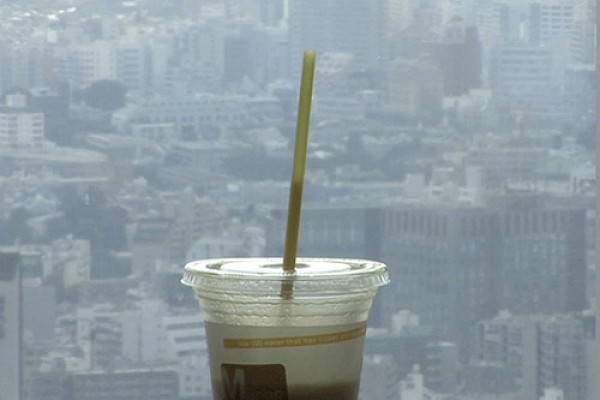
DordtYart, Dordrecht, NLVideo works from the collection G + W. -

Dancing Light
December 13, 2014 – March 8, 2015
Huis Marseille, AmsterdamPlay | Composition. For this group show I made a new work derived from my film Play (2009). I used the film stills to create a story in 2D, build from 15 scenes. -
50 characteristics
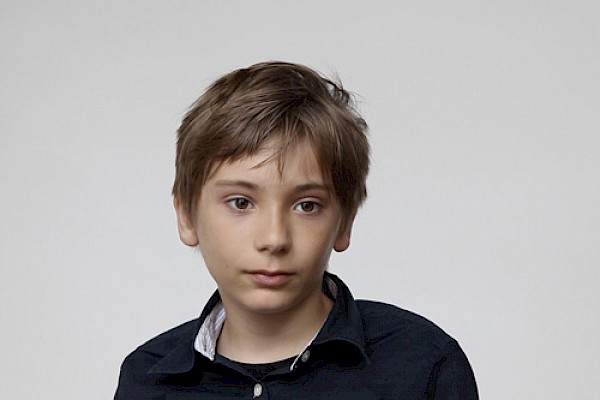
Voor elk jaar dat je ouder wordt, krijg je er een eigenschap bij. Commissioned video work. -

On The Move
Augustus 29, 2014 - Feb 22, 2015
Stedelijk Museum Amsterdam, NLOn the Move focuses on recent developments in photography and reveals the myriad ways in which artists and photographers build their narratives in dialogue with graphic designers. The title On the Move refers to the journeys taken by many of the photographers in creating their projects, as well as the new directions in photography. -
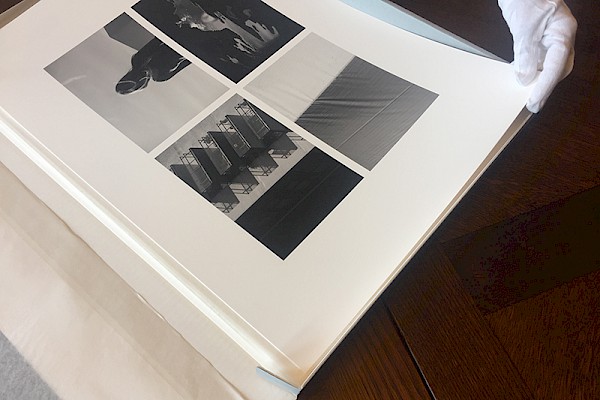
Photography assignment Stadsarchief and AFK 2014
Eisenstein believed that film montage could create ideas or have an impact beyond the individual images. Two or more images edited together create a "tertium quid" (third thing) that makes the whole greater than the sum of its individual parts. Making use of the cinematic codes and montage rules I work on a series that combine candid shot images into a tetraptych that tells a different story than the individual images. -
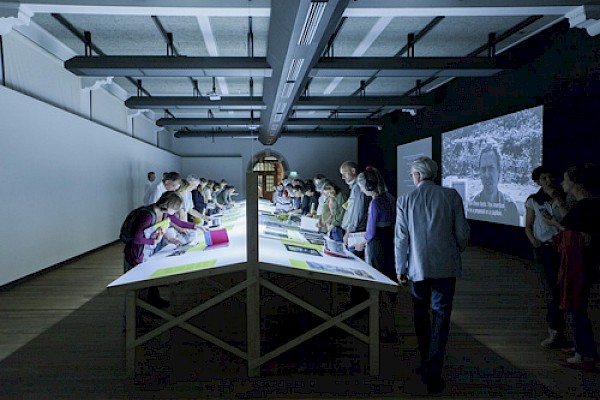
Dutch Doc Award
May 23 - July 6, 2014
Tropenmuseum, AmsterdamThe best of Dutch documentary photography. In the Tropenmuseum thirty-four surprising, sometimes intimate documentary projects were exhibited. -
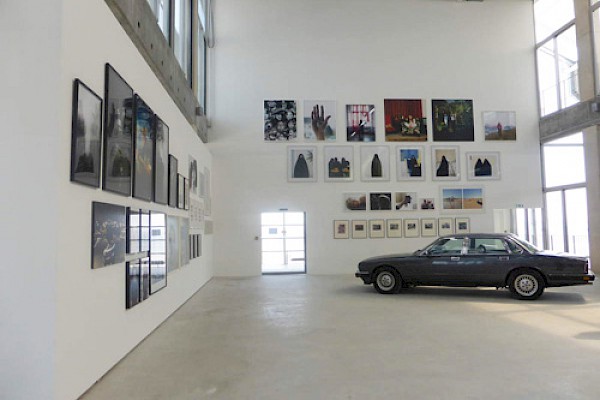
Nouvelle Generation
May 17, 2014 – December 31, 2014
Frac Nord-Pas de Calais, Duinkerke, FRConstruction, dissolution, disconnection and reconnection of identities, emancipation, independence. The implicit postulates of adolescence are tottering. Unable to put a singular case in the plural, a typology cannot exist if a vision of dissimilar beings is not furnished. The artists presented here endeavour to express this situation. Their work brings out the rituals, roles and life paths of the members of this generation. This taking stock of their reality offers in addition specific and subjective perceptions by a section of society, the New Generation. -
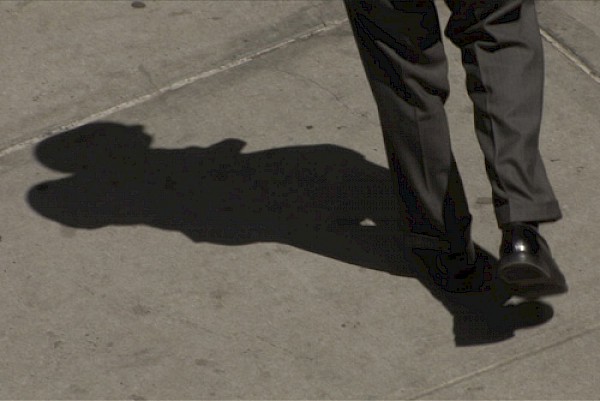
Found Choreography
March 14, 2014
EYE film museum, Amsterdam, NLSometimes, dance is suddenly there: in the breathtaking grace of a leaping cat, or in a conductor’s hands that seem to be moving for the sheer pleasure of it. The guest curator for Cinedans 2014 is filmmaker Peter Delpeut. Cinedans invited Delpeut to share his vision on dance film, inspiring him to initiate a community project around ‘found choreography’ – found footage modified to a choreography. -
Protagonists
January 21 - March 3, 2014
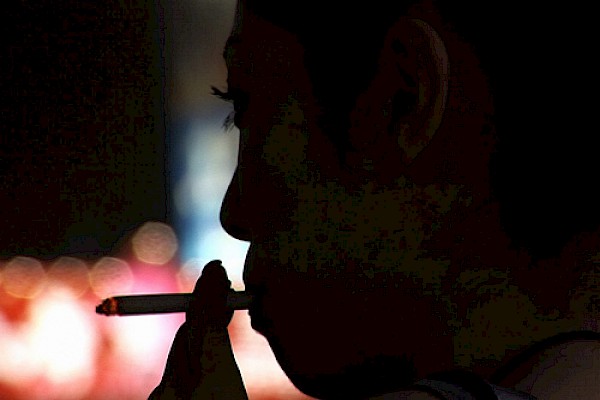
De Nederlandsche Bank, Amsterdam, NLProtagonists is een solo tentoonstelling van Martine Stig (1972) waarin recent en vroeger werk zijn samengebracht. De getoonde werken bouwen voort op de vraag in hoeverre beeldcultuur onze ervaring van de zichtbare werkelijkheid beïnvloedt. Kunnen we met ons voorstellingsvermogen voorbij de beeldenvloed die ons heeft gevormd, en zijn we in staat werkelijk iets nieuws te zien? -
Diptych
September 2013
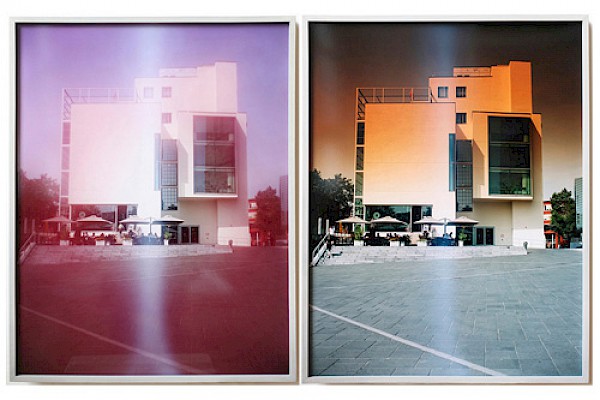
Schunck, Heerlen, NLCommissioned by SCHUNCK, Heerlen I photographed het Glaspaleis. -
Ante
Sept 2013- Nov 2014
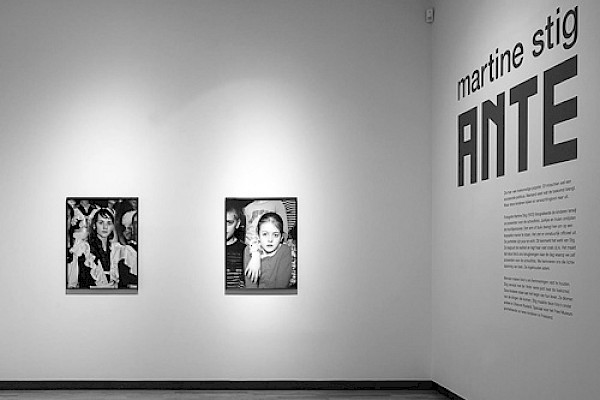
Fries Museum, Leeuwarden, NLSolo presentation of the series Ante (collection Fries Museum) including the new Ante images, made in Friesland (commissioned by het Fries Museum) -
Cauchy Horizons
April 20- August 4, 2013
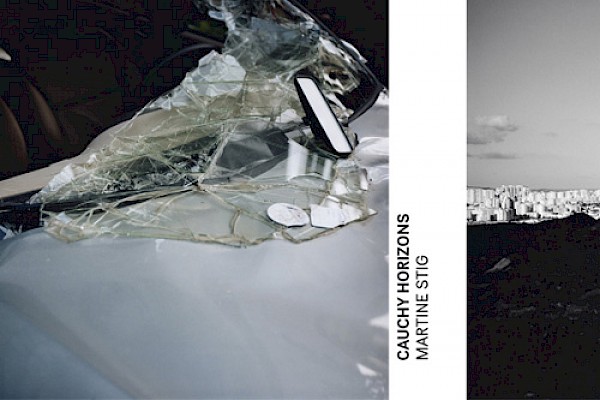
Schunck, Heerlen, NLIs it possible to photograph the future? To answer this question, Martine Stig visited four major cities, each at a crucial point in its political, economic or intellectual development: Tunis, Shenzhen, Athens and Geneva. -
From Holland with love
March 9 - May 20, 2013
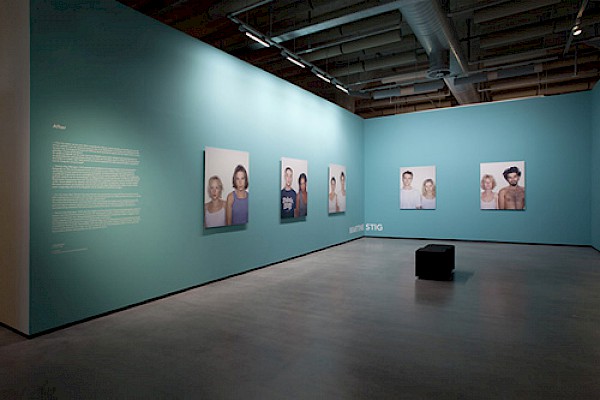
Nederlands Fotomuseum, Rotterdam, NLLove is the theme of the exhibition entitled From Holland With Love, which will be on display in the Netherlands Museum Of Photography from 9 March to 20 May 2013. -
Cauchy Horizons
November 10, 2012 – January 1, 2013
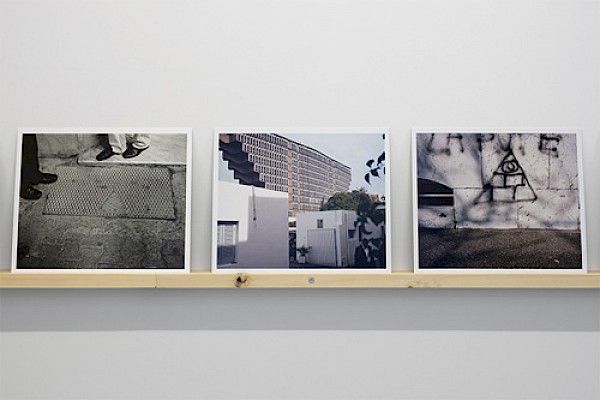
Motive Gallery, Brussels, BEBlack holes have a ‘point of no return’ beyond which nothing comes back; not even light can escape. In physics these so-called outer and inner event horizons are considered gateways to the future and bridges into parallel universes. The phenomena are so strange that it comes as no surprise that science fiction has often been needed to present us with visions of the future and possible new worlds. -Patricia Pisters- -

From Holland with Love
March 10 – May 6, 2012
Biennial of photography and visual arts, Liege, BETheir creations deal in different ways with the various themes in Van der Elsken’s book: love, intimacy, voyeurism, the game of truth and fiction, the photographer as narrator, the Internet, found footage, etc. and finally the love of the image - Frits Gierstberg -

Neko Jita
June, 2011
Quartair, The Hague, NLTwelve artists fascinated and inspired by the country of Japan. -
Ante
November 13 2010 - January 8 2011
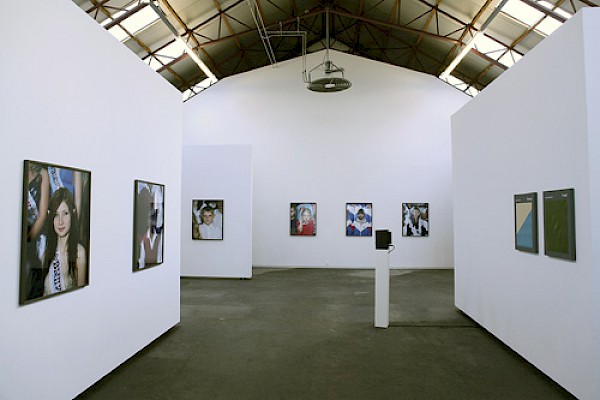
Motive Gallery, Amsterdam, NLGrouped around the protagonist in the image are children of the same age. To the left and right of the main figure we can see smart dresses, neat pullovers, starched (bow) ties and glimpses of these items. -

ShadowDance
September 18, 2010 – February 6, 2011
Kunsthal KAdE , Amersfoort, NLShadowDance film programme. On Thursday 28 October Kunsthal KAdE will be staging an evening showcasing shadows in films and architectural films, in collaboration with De Lieve Vrouw Film Theatre Café. Jan Salden will use various film fragments to illustrate the role shadows play in film. The evening will open with the film Play by artist Martine Stig, made in New York in 2009. -
No Holds Barred
May 26-30, 2010
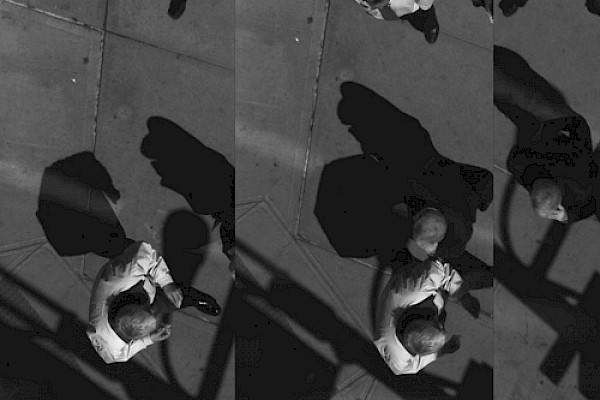
Art Amsterdam, Motive Gallery, NLMidday Manhattan. Asphalt and stone, men in suits, black sedans, shadows, and stark winter light that cantilevers between tall buildings. This is the setting for Martine Stig’s second film Play (2009), a ten-minute sequence shot in New York’s financial district. Like her earlier film Suto-ri- (2007), a dreamlike montage of passers-by in Tokyo, Play consists of candid shots taken in public space and composed to suggest a skeleton narrative. A man lingers on a sidewalk; a woman in heels stalks down a deserted street; a car with tinted windows draws alongside a work entrance; a call is made, hands gesticulate. The gestures caught by Stig’s camera evoke storylines of intrigue mapped over the conventions of film noir…-Joanna Fiduccia- -

Quickscan NL #01 | Photography now
January - May, 2010
Nederlands Fotomuseum, Rotterdam, NLThe exhibition Quickscan NL #01 shows recent work of approximately 25 new, old, young, well known and yet unknown photographers. The exhibition is focussing on new perspectives, new approaches and new structures within Dutch contemporary photography. -
After Images, the photos that were never taken
january, 2010 -
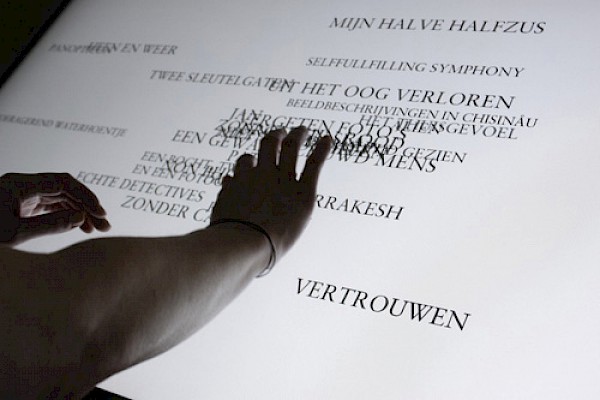
Nederlands Fotomuseum, Rotterdam, NLWhat happens when an important moment cannot be recorded? When a photographer did not bring his or camera. When the machine refused to function, or contained no film, or the batteries were dead? To what degree does this missed opportunity influence our thinking, our imagination? How does the perceived image impact our memory? And can these fluid, never recorded after images inspire new thoughts and stories? After Images is a project about photos that were never taken. 29 ‘image makers’ tell the story of the photo they were unable to take and how that image can go on haunting them. -
ParisPhoto
November 18 - 13, 2009
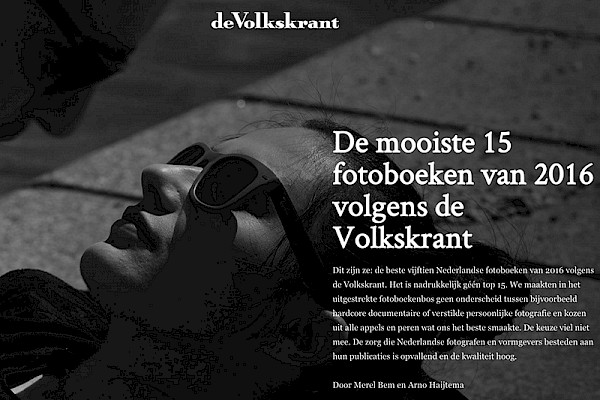
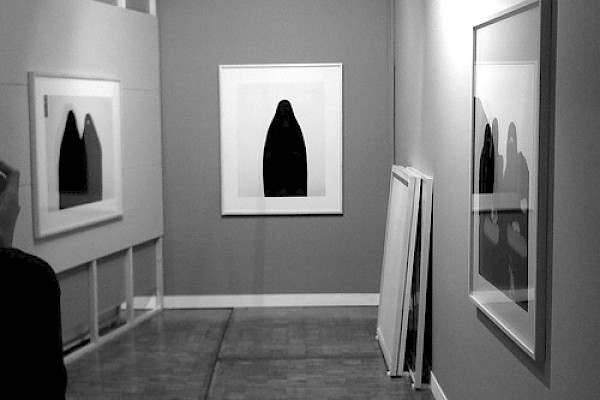
Motive Gallery at ParisPhoto, Paris, FR…met een bijna museale dubbelpresentatie van Viviane Sassen en Martine Stig, die beiden, zij het op verschillende manieren, verhulde, geïsoleerde vrouwen laten zien. -Zoeken naar schatten op ParisPhoto, Merel Bem, Volkskrant- -
Conflux Festival
October 20-21, 2009
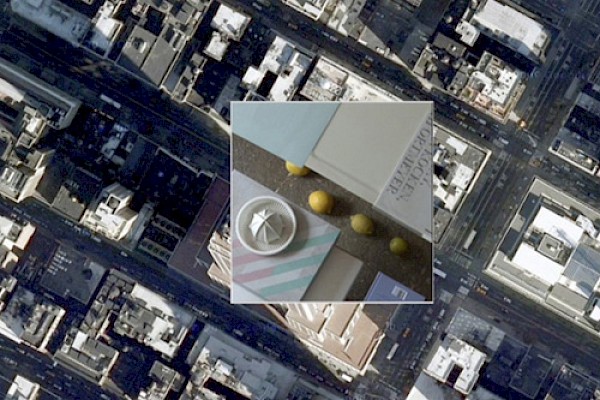
New York, USAConflux is the annual New York festival for contemporary psychogeography, the investigation of everyday urban life through emerging artistic, technological and social practice. At Conflux, visual and sound artists, writers, urban adventurers and the public gather for four days to explore their urban environment.. -

ReMap | artistic game
August, 2009
Stedelijk Museum on Tour, Amsterdam, NLThe ReMap game lets its players explore the world –both the physical world and its virtual (re)presentations– in a new way. The game challenges to ‘ReMap’ the earth as seen from satellites. -
Suto-ri-
February 2 - March 3, 2009
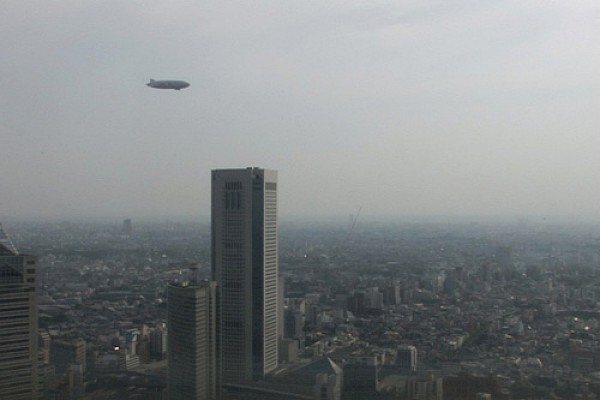
Motive Gallery, Amsterdam, NLUnaware or careless of Stig’s camera lens, passers-by lend themselves to become the manifold doubles of main characters in Stig’s film. -
Acquisitions; Any Resemblance to existing persons is purely coincidental
December 14, 2008 - February 22, 2009
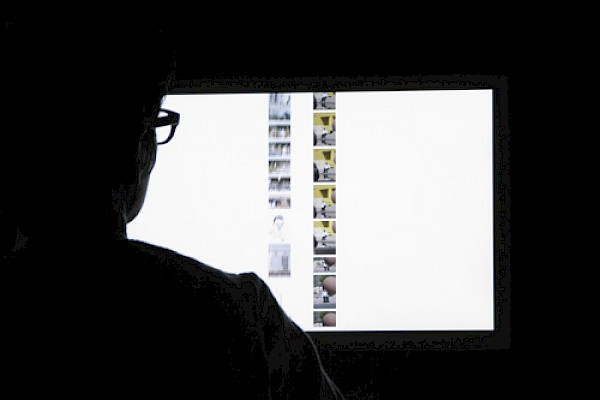
Nederlands Fotomuseum, Rotterdam, NLAcquisition of the Interactive version of the book Any Resemblance to Existing Persons is Purely Coincidental. Stories of Mr. Wood. Bombay – Los Angeles (2006) by Vanessa van Dam and Martine Stig On the basis of a scenario, Stig and Van Dam visited Bombay and Los Angeles looking for the fictive ‘Mr. Wood’. This digital version allows the viewer to see and compare the visual results of the quest for Mr. Wood. -
Distinctively Dutch
November 19, 2008
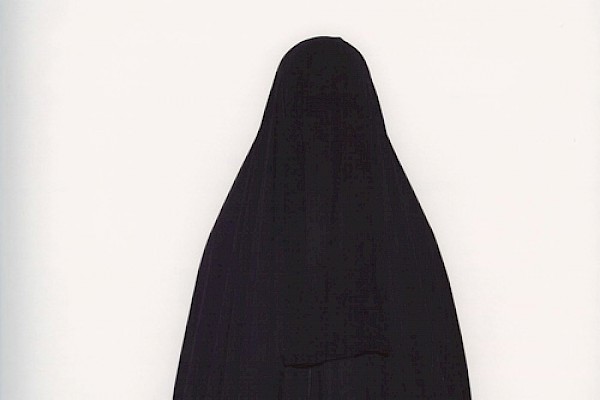
Christie’s London, UKFor the first time ever in any Photographs auction, Christie’s London presents 23 Distinctively Dutch photographs from the Netherlands. -
Cover Project | Art Aids
November 11, 2008 - January 3, 2009
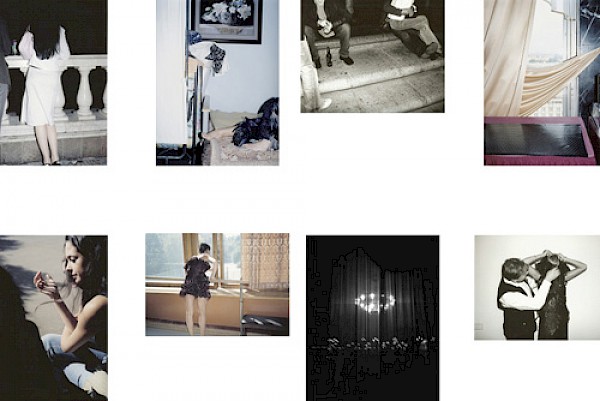
Centraal Museum, Utrecht, NLIn September 2005 the photographers Viviane Sassen and Martine Stig travelled to Moscow with five ‘condom dresses’ by the Brazilian designer Adriana Bertini in their luggage.